
Your Trailer, Built the Right Way
From that first little spark of an idea to an actual finished food trailer sitting in front of you, our Steel Frame Food Trailer Construction process takes your vision and turns it into something built to last. Nothing rushed, nothing cookie-cutter. Just a solid method that keeps you involved and makes sure every detail actually matches what you had in your head.
Get A Quote
Steel Frame Food Trailer Construction Done Right
At St. Croix Trailers, we take ridiculous pride in building things right. You’ll see it in the welds, the layout, the way the doors sit, all of it. Our Steel Frame Food Trailer Construction process is something we refined over years of trial, error, and real-world customer needs. Every step is transparent. Every choice is intentional. And everything is built around how you plan to use your trailer, not what’s easiest for us in the shop.
Kickstarting Your Steel Frame Food Trailer Construction: Consultation & 2D Layout
This whole thing starts with a real conversation. No pressure. No sales pitch. Just you telling us what you’re trying to do and us trying to understand it without twisting your idea into something else. During this part of the Steel Frame Food Trailer Construction process, we sketch out your workflow, the equipment you need, and how much space you actually move in, and we turn that into a 2D layout. Sometimes it takes a few tries. Sometimes a dozen. We revise until it feels right, not just “good enough,” because a small mistake at this stage becomes a big headache later.
You’ll go through the needs, the layout, the weird preferences, the dealbreakers, whatever matters to you. And honestly, that’s the fun part because this is where the whole trailer starts feeling real.
1
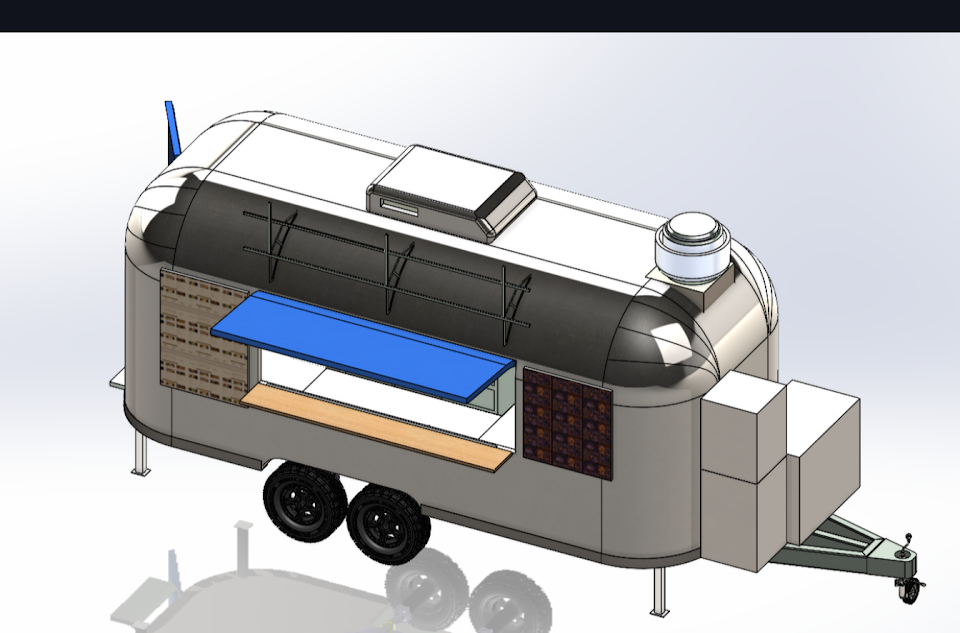
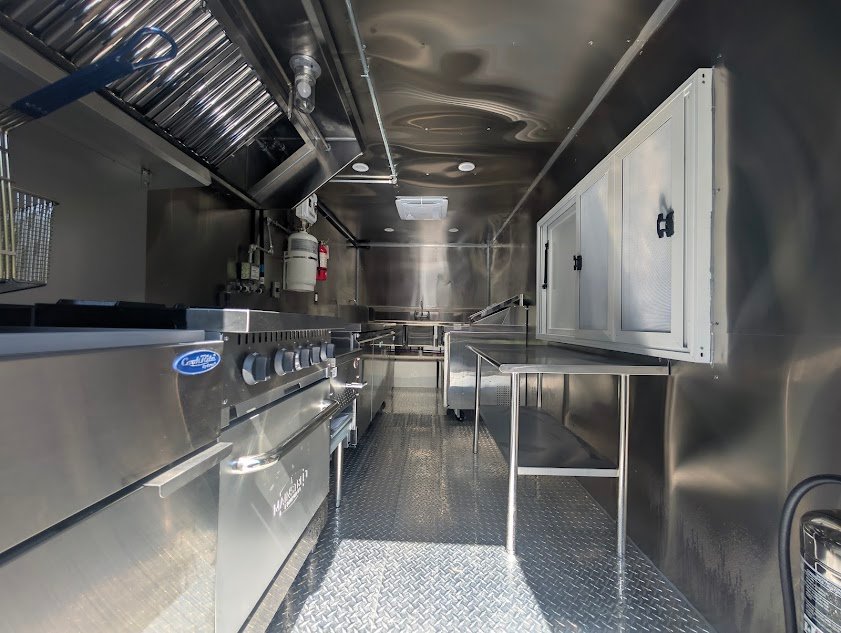
Steel Frame Food Trailer Construction: Materials, Specs, and Smart Choices
Once you’re happy with the layout, we slide into the stage where the choices get more technical. You pick materials, finishes, equipment, and operational things that’ll determine how your business actually runs day-to-day. We talk through steel frame thicknesses, insulation, windows, hood systems, sinks, fryers, grills, and anything you need. It’s collaborative, and sometimes messy, but it’s supposed to be. Steel Frame Food Trailer Construction is one of those things where the small choices matter more than people realize.
If you want optional 3D renderings, we can put those together too, just so you can visualize everything before we lock it in. And while we’re at it, we look for places where you might save time or cost without cutting corners. The goal is to build smart, not just expensive.
2
Contract & Deposit for Steel Frame Food Trailer Construction
After the design and specs are squared away, we draft the contract. Nothing hidden. No weird surprises later. You get the full breakdown of what’s being built, how long it takes, and what it costs. We ask for a 40% deposit so we can start ordering materials immediately, because steel, appliances, and specialty parts aren’t something you want delayed once production starts.
This is also the point where we review the timeline, so you know exactly when things start moving. We keep communication direct and simple because the last thing you need is vague updates or mixed messages. Getting a steel frame food trailer built is a big investment, and we treat it like one.
3

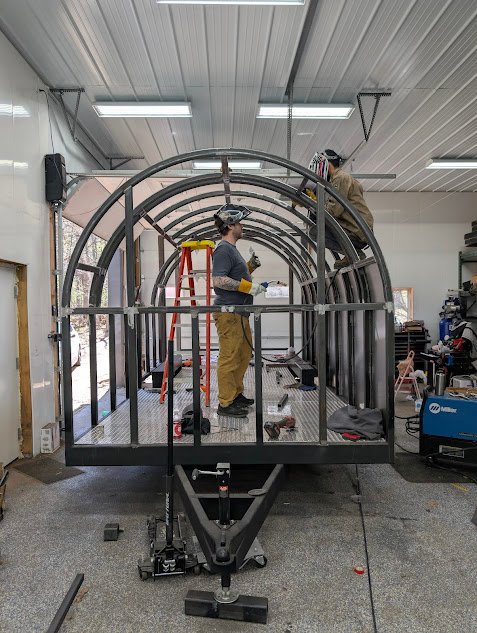
Engineering & Shop Drawings for Steel Frame Food Trailer Construction
Here’s where things get serious. Our engineering team takes the design you approved and turns it into full shop drawings. These drawings map out the structural integrity of the steel frame, the weight distribution, the equipment layout, plumbing, electrical, and code requirements. Every measurement matters. Every weld placement matters. Steel Frame Food Trailer Construction is all about precision behind the scenes, even if the outside looks simple and clean.
You’ll get the drawings to review before we build anything. This ensures you’re comfortable with the plan and nothing gets lost in translation. Once you sign off, we roll into production.
4
Production & Completion of Your Steel Frame Food Trailer Construction
This is the stage where your trailer actually comes to life. Our crew starts building from the steel frame up, checking and rechecking everything. During the next few months, you’ll get updates, photos, real progress, not generic “things are going good” messages. We care about the details because that’s what separates a trailer that lasts fifteen years from one that falls apart after two seasons.
By the time we finish, the trailer goes through a full inspection, inside and out. When we hand it off, it’s road-ready, code-ready, and built with the kind of durability you don’t get from mass-produced units. Most builds wrap up somewhere around the three-to-five-month mark, depending on features.
5
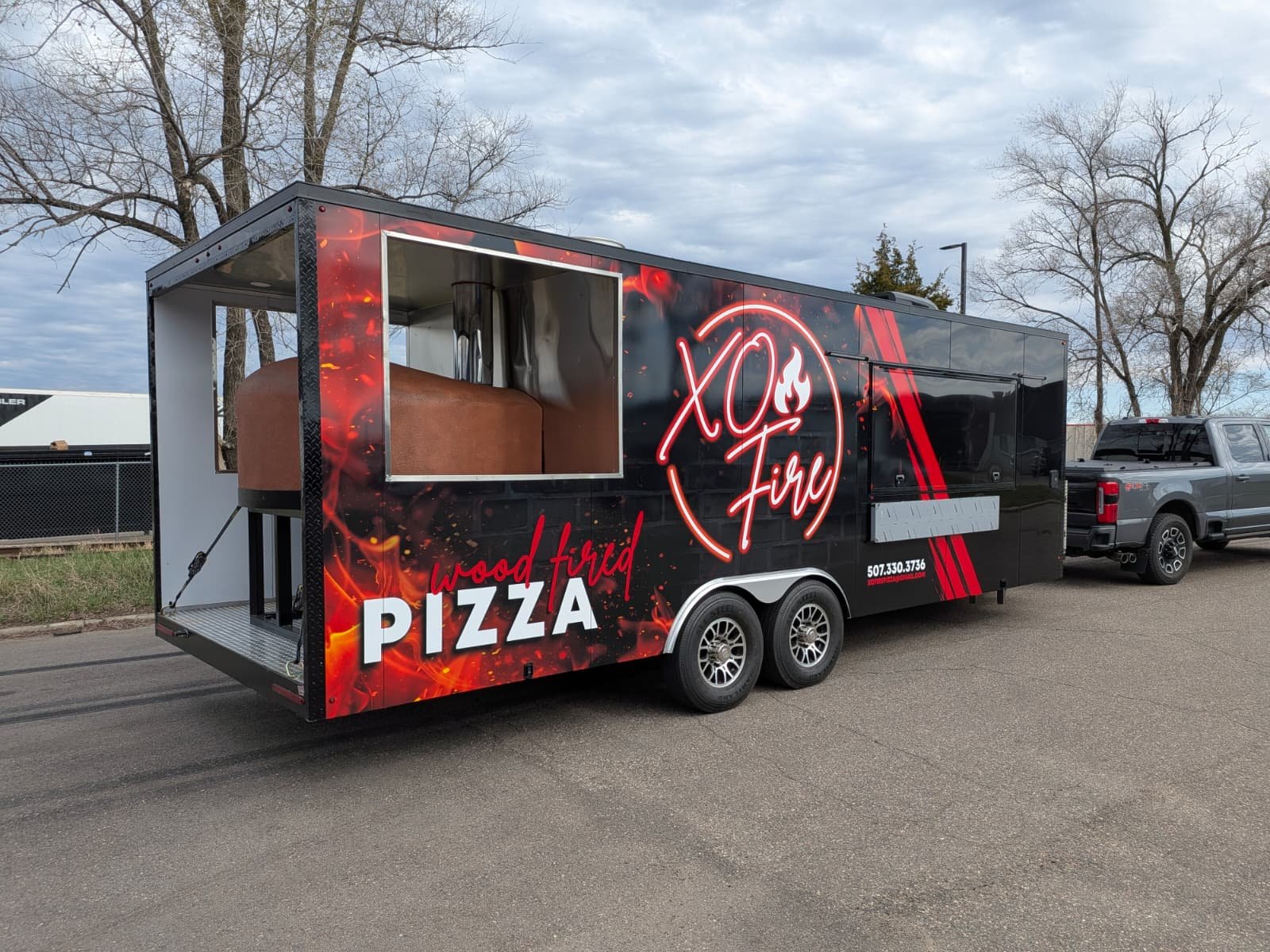
Why Choose Our Steel Frame Food Trailer Construction Process?
Honestly, it comes down to trust and quality. We don’t take shortcuts. We don’t leave you guessing. We’ve built enough trailers to know what works, what fails, and what holds up after thousands of miles on the road. When you follow a clear process like ours, the results speak for themselves.
Quality Guaranteed
Every trailer uses premium materials and skilled craftsmanship, backed by a solid warranty that actually means something.
On-Time Delivery
We stick to timelines because we know delays cost you real money.
Direct Communication
You work with us, not some middleman. You’ll always know who to call and what’s happening next.
Ready to Get Your Hands on the Perfect Steel Frame Food Trailer?
If you’re ready to see your idea turn into a durable, road-ready trailer, we’re here, and we’re listening. Plenty of food entrepreneurs have trusted us with their dream setups, and we’d be proud to help build yours.
FAQs
It is one of the greatest benefits, yes. The trailers with steel frames do not bend and curve as lightweight construction do, and this is a big difference when traveling with trailers between states or on the rougher roads. The frame remains strong, the apparatus remains fixed, and you do not need to consider the frame will become weaker each time.