
Food Truck vs Food Trailer ROI: Built on Smart Decisions
From that first serious thought about launching your mobile kitchen to finally investing in the equipment, understanding your Food Truck vs Food Trailer ROI changes everything. This isn’t about hype or industry trends. It’s about building something financially solid from day one. At St. Croix Trailers, we custom-build units from the ground up, and we break down the numbers, the mechanical risks, and the long-term realities so you aren't guessing. No sugarcoating, no generic templates. Just a clear look at how your investment supports the business you are trying to build.
Get A Quote
The Reality of Mobile Kitchen Investments
At St. Croix Trailers, we take financial planning seriously because we've rebuilt enough flimsy trailers to know what costs operators money. Our approach to analyzing Food Truck vs Food Trailer ROI has been hammered out over years of conversations with chefs who learned lessons the hard way.
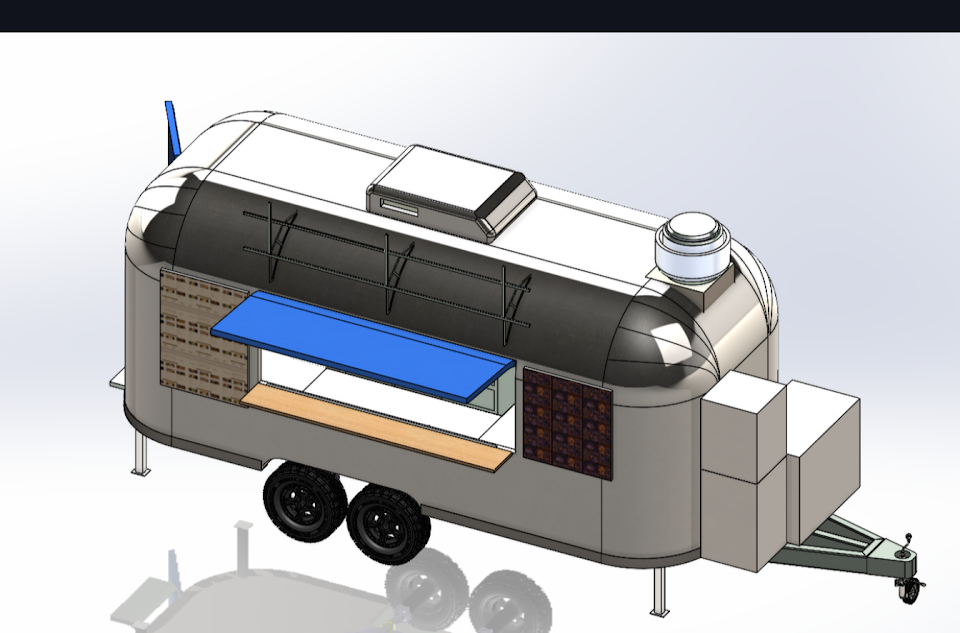
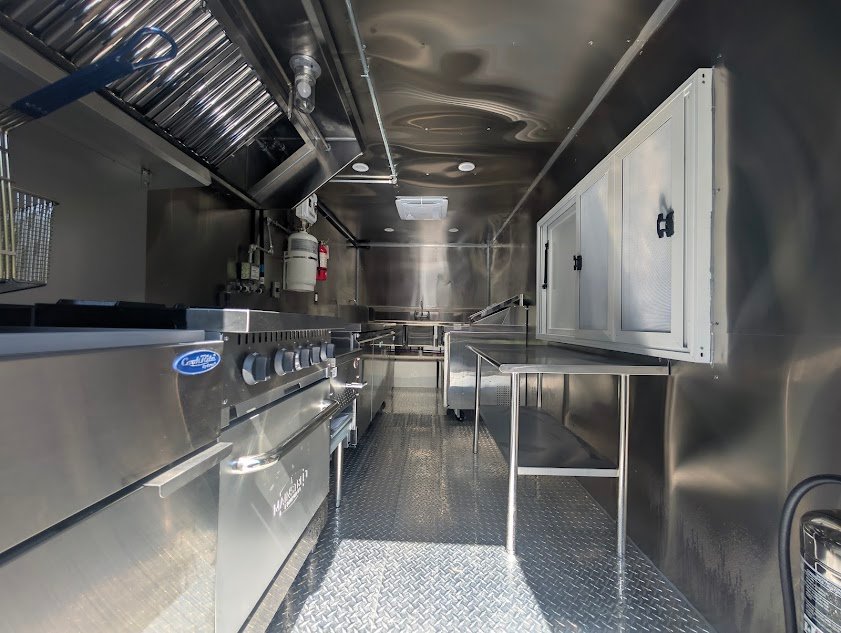
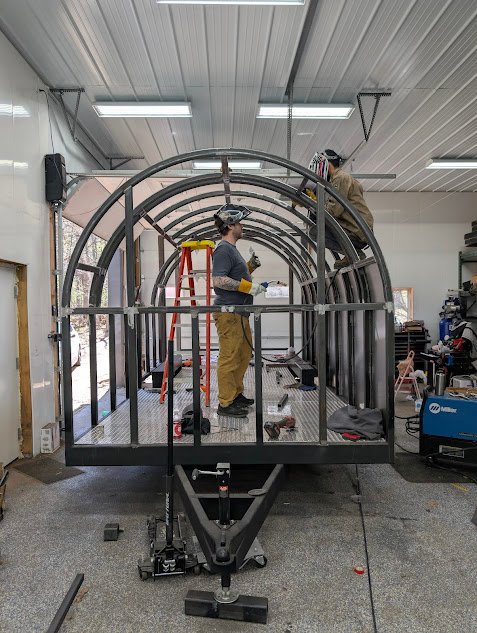
Every detail gets attention. Every cost gets discussed. We don't cut corners to maximize our profit at the expense of your build. Every custom trailer we manufacture starts with a 6x2 mainframe at the bare minimum—absolutely no 3x2 or 2x4 frames, and we never use pre-built shells. We focus entirely on how you plan to operate daily, not what looks flashy parked on a dealership lot.
Business Planning & Cost Mapping: We Don't Guess
This process starts with a real conversation about your goals, but let’s be upfront: mapping out your exact ROI and building a comprehensive business plan is not something we do for free.
For entrepreneurs who want our expertise to architect their financial blueprint, we offer full business planning and detailed ROI mapping as a dedicated consultation service for roughly $7,500.
When we map out your Food Truck vs Food Trailer ROI through this service, we dig deep into:
- Complete upfront build budgets and operating expenses
- Revenue expectations and event frequency models
- Long-term maintenance exposure and downtime risks
- Towing logistics, fuel usage, and depreciation curves
Sometimes projections shift. We adjust until the numbers feel realistic, not optimistic. A small oversight here can turn into a serious financial headache later. If you want us to do the heavy lifting of your business planning, this consultation is where clarity replaces uncertainty.
1
Costs, Maintenance, and the "Downtime" Factor
Whether you use our business planning services or come to us ready to build, understanding the deeper cost layers is critical. This is where the trailer model usually wins.
When you buy a food truck, your kitchen is permanently attached to a used engine. If the transmission blows on a Friday, your entire kitchen is sitting at the mechanic all weekend, costing you thousands in lost revenue. With a custom trailer, if your tow vehicle breaks down, you simply rent a truck and make it to your event.
Understanding your Food Truck vs Food Trailer ROI depends heavily on this risk. You must account for insurance variations, registration fees, structural durability, and long-term mechanical exposure. The goal is to invest smart, not just big.
2
Contracts, Pricing & Deposit Structure
After your specs are clear, we outline the exact commitment. Nothing hidden. No vague promises. Fully custom, ground-up builds are quoted directly around your exact, approved specs, with the average fully completed custom trailer running between $60,000 and $70,000.
To move forward into the official blueprints and engineering phase, we require a $2,500 engineering deposit. This is not an extra fee—100% of this amount goes directly toward the final build cost of your mobile kitchen.
Once shop drawings are signed off, our build payment structure protects your momentum:
- 60% Deposit (Due 3 weeks prior to production): This allows us to immediately order your heavy-duty steel, commercial equipment, and specialty items.
- 30% Progress Payment: Billed as your build takes shape and hits key construction milestones.
- 10% Final Payment: Due upon completion, inspection, and hand-off.
3

Future-Proofing Your Business
Here’s where things get analytical. We look at operational lifespan and resale value trends. Trucks combine the engine and kitchen, which severely limits their lifespan. Trailers separate those systems. Because a St. Croix trailer is built on a massive 6×2 steel frame and comes with a verified Manufacturer’s Certificate of Origin (MCO), it holds its value and structural integrity for years.
Your Food Truck vs Food Trailer ROI becomes incredibly clear when you step back and evaluate five to ten years of operation instead of just the launch month.
4
Why Choose Our Build Process?
Honestly, it comes down to clarity, heavy-duty engineering, and experience. We don’t rush decisions, and we don’t exaggerate returns
Quality That Outlasts the Competition
We build strictly from the ground up. No pre-built inventory, no flimsy components. Just real, durable materials designed for long-term commercial use
Financial Transparency
Clear breakdowns, realistic projections, and exact pricing. You know exactly where every dollar goes
Direct Communication
You don’t get passed around. You work directly with the people designing and building your kitchen
Ready to Make the Right Call?
At the end of the day, there is no one-size-fits-all answer. It is your business, your investment, and ultimately, your decision. While the long-term numbers often favor trailers, if your specific business model and preferences demand a motorized food truck, we can absolutely build out a truck for you with the exact same heavy-duty St. Croix engineering
If you’re ready to move forward with absolute clarity instead of guesswork, we’re here and ready to talk
FAQs
The biggest factor in Food Truck vs Food Trailer ROI is downtime and maintenance. A food truck combines a high-mileage engine with a commercial kitchen. If the engine needs repair, the kitchen cannot operate. A trailer separates the kitchen from the engine, drastically lowering your long-term mechanical risk and preventing lost weekends.
The break-even timeline varies depending on your menu, event frequency, and financing. However, custom trailers generally reach profitability sooner because they have a lower initial purchase price than a reliable motorized food truck, combined with significantly reduced mechanical maintenance costs.
Yes. While basic build quotes are standard, we offer comprehensive business planning and exact ROI mapping as a dedicated consulting service for roughly $7,500. We do the heavy lifting to ensure your operational budget, revenue models, and growth strategies are bulletproof before you start building.
Yes. Whether you choose a ground-up custom trailer or a food truck conversion, we don’t use pre-built shells. We can put your service windows, commercial hoods, and heavy equipment exactly where your workflow demands it.
Absolutely. Without an engine attached to the kitchen structure, depreciation and maintenance are a fraction of the cost. A well-built St. Croix trailer sitting on a 6×2 mainframe will outlast multiple tow vehicles, saving you massive cumulative mechanical expenses over the years.