
Food trucks are a lot more than mere street food; they have become a lifestyle. The public is drawn to the prospect of being able to eat gourmet meals on the street, the odd menus, and the food being prepared in front of them with love. If serving good food is your dream of turning into a business, then a food truck is among the most thrilling ways of doing so. However, before you embark on this journey, there is a roadmap that you need to follow. From idea conception to obtaining the right custom food trucks, every step counts.
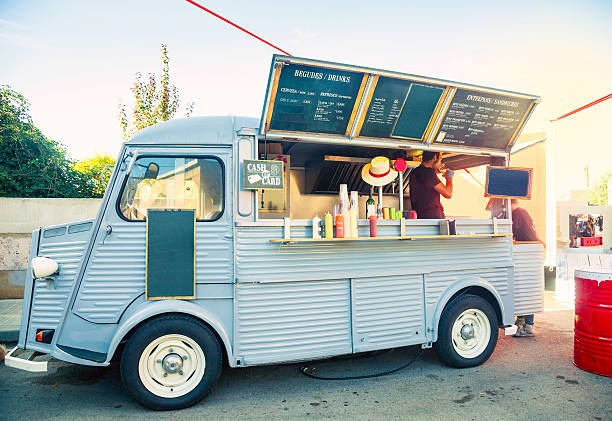
1. Nail Down Your Concept
Any successful food truck starts with a solid idea. Ask yourself:
- What do I enjoy cooking?
- What type of food do I like to consume?
- What is lacking in my local food?
It does not necessarily have to be a new idea, but your concept should be short and memorable. In case you already have taco trucks in your town, perhaps you can be niche in gourmet tacos with specialty sauces.
2. Create a Menu That Thrives
A menu for a food truck needs to be:
- Small enough to make in a small kitchen
- Quick to prepare for hungry customers
- Cheap to make
Highlight signature items that define your brand. Less is more: less to prepare, inventory to stock, and cook.
3. Be Familiar with Rules and Permits
Rules differ from city to city, county to county, and state to state. Make sure you are familiar with:
- Food handling permits
- Health inspections
- Business licenses
- Zoning laws and parking laws
Doing this homework in advance avoids future headaches.
4. Invest Money Wisely
Start-up costs are:
- Truck and kitchen equipment
- Permits and insurance
- Initial inventory
- Marketing and branding
Tip: Investing in new custom food trucks is a good deal. They’re efficient, sturdy, and designed for your workflow.
5. Find Your Truck
Your truck is your on-the-move kitchen, so it must work for you. Look for items such as:
- Storage space for ingredients
- Cooking stations for your menu
- Refrigeration and sinks
- Electrical configurations for appliances
Selecting the proper truck will save hours of frustration and make life easier on the road.
6. Branding and Marketing
Your truck’s branding is your first impression. Remember to have:
- A Name and logo that stand out
- Dynamic graphics that jump out at you
- Social media following where you can put up your schedule and menu
Other ways to be seen:
- Loyalty program or punch card
- Sales at events in your neighborhood
- Posting your personal story behind the food
7. Build Your Crew
You will probably start alone, but eventually, you will need help. Highlight:
- Energetic employees who know fast-paced food service
- Full training in customer service and food safety
- Creating a positive work culture
- Excellent employees become your brand ambassadors.
8. Test and Tweak
Before the official opening:
- Do a soft opening with friends, family, or local influencers
- Collect feedback on dishes, wait times, and experience
- Adjust menu items and workflow as needed
- This test run has you hitting the streets with confidence.
9. Keep Learning
Keep up to date with trends and regulations:
- Attend food festivals and networking events
- Experiment with seasonal menu offerings
- Respond to customer input and adjust
Innovation brings back your customers and your brand fresh.
Partner with the Right Manufacturer
Moreover, the truck you drive is a major determinant of your long-term success. The reliable concession trailer manufacturers provide you with an ambiance where your truck lasts. They can design a mobile kitchen that fits your precise menu, is strong and resistant to health checks.
Among them are St. Croix Trailers, which are dedicated to making high-quality and custom food trucks that are health code compliant. We have worked with the trailer manufacturers and can share our experience with you, which will not only make it easier for you but also get you a truck that is highway-ready from the first day.
Conclusion
Establishing a food truck is an experience. Idea to menu, permits to promotion, it all mounts up. Your success comes down to planning, determination, and a bit of street-side magic.
If you wish to start off on the right foot, using professional concession trailer manufacturers like St. Croix Trailers can be all the difference in the world. Their custom food trailers are built with efficiency, durability, and compliance in mind so that you have the highest chance of turning your dream into a profit-making reality.
With love, planning, and the right tools, your culinary ambitions can drive straight onto the streets and into the hearts of individuals.
FAQs
1. Want to kick off a food truck biz?
First, figure out your food idea, make a small menu, get all your permissions in order, and get yourself a dependable food truck that fits your style. Good planning can really help you succeed.
2. What permissions do you need for a food truck?
Usually, you’ll need permissions for handling food, health checks, a business license, and permission to vend locally. The rules change depending on where you are, so double-check your local rules early on.
3. How much does it cost to open a food truck?
Getting started could cost anywhere from $50,000 to $150,000. This depends on the truck itself, your kitchen gear, permissions, and how you market yourself. Getting a good food truck to begin with makes sure it lasts.
4. Should I get a new or used food truck?
New food trucks usually work better, are stronger, and meet health codes more easily. Used ones cost less but might need fixes and upgrades.