
Stepping into the food business with wheels under you is exciting—but it can also be overwhelming. The trailer you choose affects everything: your workflow, your safety, your inspections, and your daily ability to produce consistent food. A well-built custom food truck trailer becomes the backbone of your business; a poorly built one becomes a money pit you can’t escape.
At St. Croix Trailers, we’ve seen too many owners walk through our doors after being burned by builders who cut corners—thin frames, sloppy welding, questionable electrical, poor ventilation, out-of-code plumbing, and interiors that fall apart long before they should. These details matter from day one. When you’re comparing manufacturers, these are the features that separate the professionals from the problem-makers.
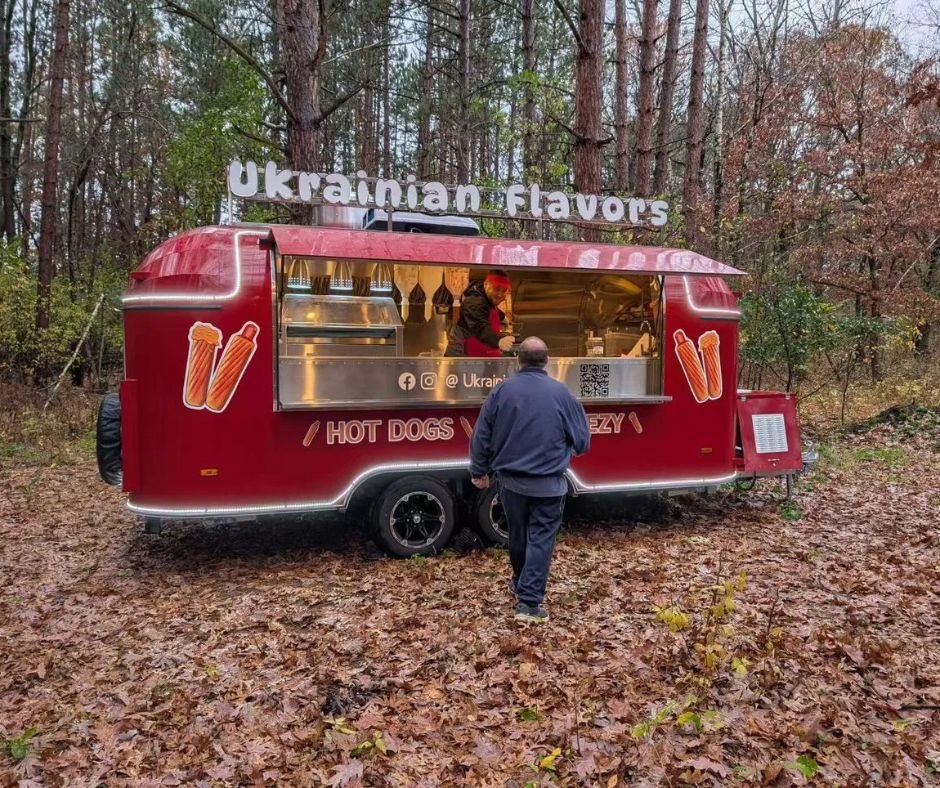
Strong, Reliable Frame Construction
The frame is the foundation of your trailer—and the part owners overlook the most. You may never see it again after the trailer is finished, but you will feel it:
- In how the trailer handles and tows
- In how long the structure lasts
- In how well it supports heavy equipment and water tanks
- In how it survives bumps, heat, moisture, and daily use
At St. Croix Trailers, every build begins with a fully welded steel or aluminum frame—engineered in-house. No mass-produced frames, no bolt-together shortcuts, and no guessing. Your equipment is heavy, and your business depends on reliability. A strong frame is a non-negotiable.
Professional Welding and In-House Fabrication
A food truck is only as strong as its welds. The consistency, accuracy, and strength of each weld determine the lifespan of the trailer.
Many manufacturers outsource fabrication, which introduces weak points and reduces quality control. When the fabricators and builders work together—from the blueprint to the final assembly—you get a tighter, safer, and more durable product.
St. Croix Trailers performs all frame welding, interior fabrication, layout building, and custom metalwork in-house. This results in:
- Higher structural integrity
- Perfect alignment between components
- Better quality control
- Faster problem-solving if changes or improvements are needed
If a manufacturer outsources major steps—walk away.
Materials That Hold Up to Real Service
Food trailers take abuse: heat, steam, chemicals, cleaning, transport vibration, frozen winters, hot summers, and non-stop daily operation.
Cheap materials ruin businesses.
St. Croix Trailers uses commercial-grade components, including:
- 304 stainless steel for interior walls, counters, and work surfaces
- High-grade aluminum or galvanized steel framing
- Heavy-duty diamond plate flooring
- Fire-rated panels and UL-listed equipment
No plastic “kitchen veneer.” No flimsy interior skins. No materials that warp or delaminate under heat.
When you invest in better materials up front, you avoid expensive replacements later.
Code Compliance and Health Department Readiness
A food truck trailer isn’t just a box with equipment—it’s a regulated kitchen. Many first-time owners don’t realize this until inspection day.
A builder must understand:
- Sink requirements
- Tank sizing rules (wastewater 15% larger than fresh)
- NSF-approved layouts
- Electrical safety requirements
- UL 300 fire suppression
- Ventilation and hood placement
- ADA and accessibility considerations (when required)
- State-by-state health code differences
St. Croix Trailers designs and builds to meet health codes across the U.S. and stays aligned with NATM, DOT, and NHTSA standards for safety and compliance. We also help clients navigate plan reviews and paperwork—because passing inspection is mission-critical.
If a manufacturer doesn’t talk about code compliance, that’s a major red flag.
Fully Custom Layouts for Real Workflow
Your trailer should match your workflow—not force you into someone else’s template.
Some concepts require:
- Large prep tables
- Dual fryers
- Espresso stations
- Refrigerated display cases
- Concession windows
- Specialized baking or smoking equipment
St. Croix Trailers designs fully custom layouts from 12 ft to 44 ft—built around the exact equipment you choose.
A real manufacturer collaborates with you to design your space, not push you into a cookie-cutter floor plan.
Roof and Exterior Strength
Exterior quality is often overlooked but critically important. A weak roof or exterior panel system leads to leaks, structural bending, rust, and insulation failures.
St. Croix Trailers builds walkable roofs using .120” thick material—far stronger than typical industry standards. Our roofs are engineered to support maintenance, HVAC installs, or rooftop appliances when needed.
When comparing builders, ask:
- Is the roof walkable?
- What thickness are the panels?
- Are seams sealed or overlapped properly?
- Can it handle snow load or extreme weather?
If they can’t answer confidently, move on.
Weather-Ready Builds (Especially for Northern Climates)
Mobile kitchens must run in heat, cold, humidity, and wind. In Minnesota and similar climates, weather-resistant construction isn’t optional—it’s essential.
St. Croix Trailers uses:
- Closed-cell insulation
- Heavy-duty weather sealing
- Proper HVAC sizing
- Protected electrical routing
- Condensation-resistant materials
Your trailer should perform the same on a 95-degree summer day as it does during a 10-degree winter event.
Support From Start to Finish
A good manufacturer doesn’t disappear after taking your down payment.
St. Croix Trailers stays with you through:
- Concept & layout
- Equipment selection
- Health plan approval
- Fabrication
- Quality checks
- Delivery and aftercare
You work with builders—not middlemen.
Warranty and Long-Term Protection
A warranty tells you whether a builder truly stands behind their work.
St. Croix Trailers includes:
- 3-year structural warranty
- Dedicated support on components
- NATM-compliant safety standards
If a manufacturer offers a weak warranty or avoids the topic, beware.
NEW SECTION: Red Flags When Evaluating Food Truck Manufacturers
Not all builders are equal. Watch out for:
- No physical shop or showroom
- No NATM membership or DOT compliance knowledge
- Vague or templated quotes
- Cheap interior wall materials or thin flooring
- No fire suppression experience
- No pictures of undercarriages or welds
- Trying to upcharge you for “standard” items
- Refusing to help with health inspections
A strong builder welcomes transparency.
NEW SECTION: Quick Inspection Checklist for Choosing a Builder
Before choosing a manufacturer, ask to see:
- Weld quality (uniform, smooth, no porosity)
- Frame thickness
- Roof construction details
- Electrical paneling and conduit work
- Sink and tank sizing
- Hood and ventilation plans
- Real photos—not just renderings
- Example trailers in-progress
This separates real manufacturers from marketing companies.
Final Thoughts
A food truck manufacturer isn’t just building a trailer—they’re helping build your business. Quality welding, durable materials, true customization, code compliance, structural strength, and solid support all shape your long-term success.
St. Croix Trailers focuses on these principles because we believe in building units that last, perform, and help owners run profitable operations from day one.
Ready to Look at Business Trailers for Sale?
If you’re searching for business trailers for sale or you want a custom food truck trailer built to your exact workflow, St. Croix Trailers is ready to help. From the initial sketch to final delivery, every build is engineered with purpose, durability, and compliance at its core.
FAQs
1. Do you build custom food truck trailers from scratch?
Yes. Every trailer is fully custom-built with in-house welding, fabrication, and layout design.
2. What materials do you use inside your trailers?
We use commercial-grade materials like 304 stainless steel and aluminum for durability and code compliance.
3. Do you help with health department approvals?
Yes. We design to code, size tanks properly, and assist with plan-check paperwork.
4. What sizes do your food trailers come in?
We build units from 12 ft up to 44 ft, depending on your equipment and workflow needs.