
Many people assume that running a food trailer is a seasonal gig limited to sunny summer festivals. They think they can just pack it up when the snow starts to fly. That is a massive misconception that leaves money on the table. To stay profitable, you need to be out there serving when your competitors have retreated to their garages. Building Four season food trailers isn’t just about comfort; it is about survival. If your setup isn’t built for the elements, you’ll be fighting your own equipment instead of cooking delicious food. Let’s talk about building for the long haul.
Why You Can’t Ignore the Weather
If you want to keep the lights on through November, December, and January, your trailer needs to be a fortress. In the Midwest, wind chill can freeze your plumbing lines in minutes. If your water system isn’t insulated correctly, you are done for the day before you even start. An All-season food trailer is specifically engineered to handle these extremes. It’s not just about keeping the cook warm; it’s about ensuring your grease traps don’t solidify, and your refrigeration units don’t work overtime to fight external heat or cold.
Protecting Your Profit Margin
When the temperature drops, your operational costs usually jump. You are paying for extra propane to heat the space and more electricity to keep the fridge running. This is where Four Season food trailers save your business. By using better materials—like thick-gauge stainless steel and reinforced framing—you lose less heat. You aren’t just paying for a trailer; you are investing in a utility-efficient tool. If you can stay open for those extra three months while everyone else is closed, you’ve basically paid for your winter operational costs.
The Role of Customization in Performance
You can’t buy a generic, off-the-shelf box and expect it to handle a blizzard. That is where food truck customization becomes critical. When you build specifically for a four-season model, you can choose where to put your vents so that snow drift doesn’t clog your hood system. You can decide how the windows operate so they don’t freeze shut. It is about anticipating the challenges of your specific environment before the first flake of snow falls. Every detail in your build should serve a purpose in keeping you operational during a rush.
- Design windows with easy-to-use latch systems that won’t stick in the cold.
- Add extended service awnings to protect customers from rain and snow.
- Ensure your exterior outlets are weather-rated and covered properly.
- Install internal climate control zones to separate the cooking area from the serving area.
Need a trailer that can handle the toughest winters?
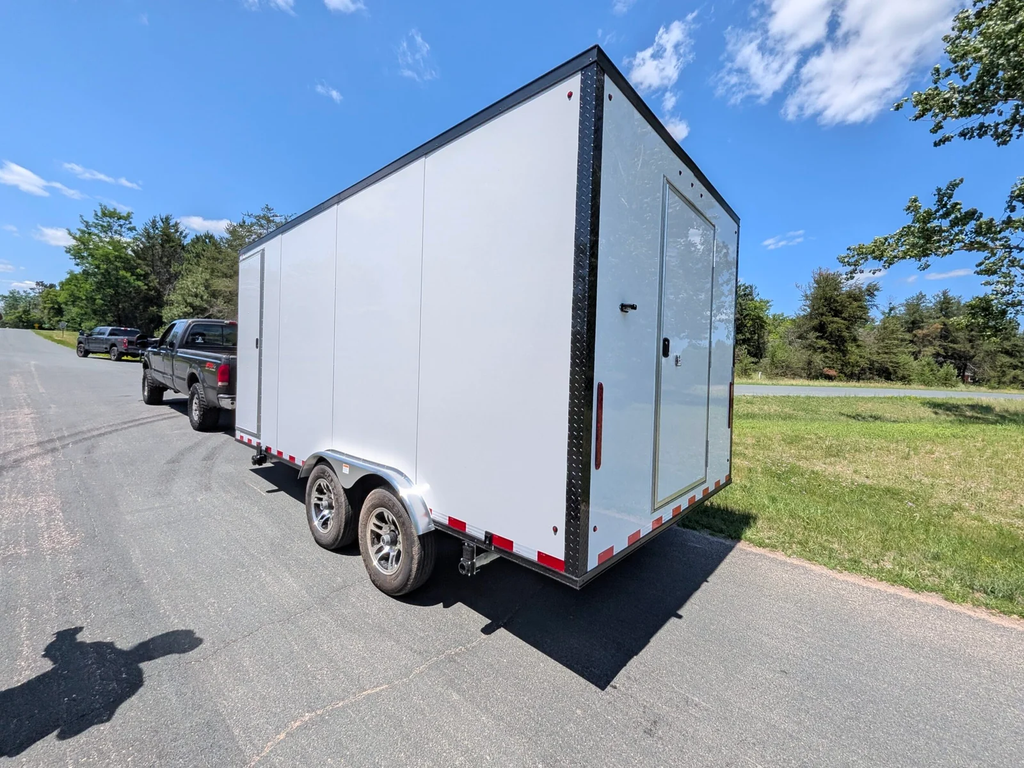
Finding the Right Builder
Not every shop understands the physics of a year-round rig. You want to work with the best food trailer manufacturers who have actually spent time in the field. You need a team that knows how to build a frame that won’t flex or rust after a few winters of road salt. At St. Croix Trailers, we build for the reality of Minnesota winters. We don’t just build pretty trailers; we build tanks. We know that if a trailer can survive a Northern winter, it can survive just about anything else the rest of the country throws at it.
Making the Commitment
Committing to a year-round business requires a different mindset. It requires better gear, more planning, and a trailer that refuses to quit. When you choose to invest in high-quality Four season food trailers, you are telling your customers that you are a reliable part of their community, no matter the weather.
- Communicate your winter hours clearly on social media.
- Provide a comfortable area near your window to keep customers happy while they wait.
- Always keep extra fuel on hand, as winter usage is unpredictable.
- Don’t be afraid to partner with local breweries or office complexes that need food service in the winter.
Ready to start your all-season food business journey?
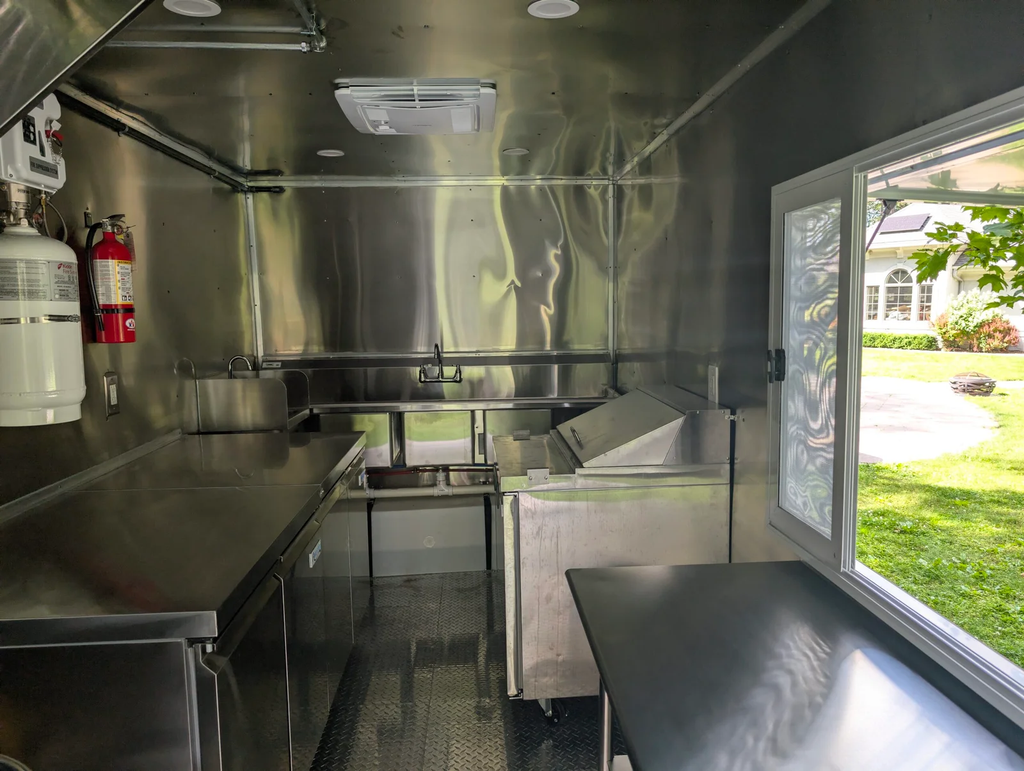
Building Your Legacy
Every trailer we send out is a testament to the business owner’s vision. We know that your trailer is your livelihood. You shouldn’t have to worry about whether your equipment will survive the night. By choosing us, you are getting a build that is stress-tested and ready for the road. We take pride in our process, our materials, and our results. When you’re ready to stop worrying about the weather and start focusing on your food, come talk to us. We’ll make sure your build is ready for every single season.
Frequently Asked Questions
Q. How do Four season food trailers handle extreme winter cold?
Through the use of high-density insulation, heat sources, and utility spaces, they ensure that pipes will not freeze. By maintaining the temperature inside, they ensure that all your machinery is efficient while your personnel are comfortable despite temperatures dropping well below freezing levels.
Q. What is the benefit of food truck customization for year-round service?
The ability to customize enables one to configure their trailer’s interior in order to regulate ventilation, airflow, and plumbing depending on the environment they are located in. It will ensure that critical elements such as grease traps and water lines are shielded from the usual failures that occur in standard trailers.
Q. Do you have to worry about road salt damaging the trailer frame?
Yes, which is why we use high-quality steel and protective coatings that resist corrosion. If you buy from the best food trailer manufacturers, they use heavy-duty materials that are designed to withstand road salt and winter moisture far longer than cheaper, budget-friendly construction materials.
Q. Can I run an All-season food trailer off a standard generator?
You can, but you need to calculate your winter load carefully. Heating elements consume more power than cooling ones. We help you map out your total electrical needs to ensure your generator provides consistent, clean power throughout the winter months without risking a total system failure.
Q. Is it expensive to maintain a trailer for year-round use?
It requires more diligence, but it’s a necessary cost for year-round profit. Regularly checking seals, insulation, and heating systems prevents expensive emergency repairs. A high-quality build minimizes these maintenance costs significantly by using durable, long-lasting materials that stand up to the rigors of consistent, daily operation.