
Launching a mobile food business is a careful balance between passion and practicality when it comes to the figures. Most of the time, it is easy to be carried away by the idea of having an impressive and luxurious van, until you realize later on that it is the expenses incurred through it that take all your profit away. Whether you are leaning toward a self-contained truck or a towable rig, the comparison of food truck vs food trailer ROI is the single most important calculation you will make.
Why the Initial Investment Matters
When you compare a motorized truck to a trailer, the sticker price is the first thing you’ll notice. A food truck includes an engine, transmission, and complex mechanical systems that require specialized maintenance. A trailer, by contrast, is a dedicated kitchen space. This fundamental difference drastically changes your food truck investment profile. When you buy a truck, you are paying for a vehicle and a kitchen. If the engine fails, your business stops. If your truck is in the shop for a week, you aren’t just losing revenue, you are paying for expensive mechanical repairs on a heavy-duty commercial engine.
- Trucks have higher insurance and registration costs due to their motorized status.
- Trailers offer lower entry points, allowing you to invest your remaining capital into better kitchen equipment.
- Trailers are easier to upgrade or replace as your business model evolves.
- While trucks must have a driver with a CDL license or be transported with special equipment in case of breakdowns, trailers can simply be towed away by any heavy-duty truck.
Understanding the Numbers: Food Trailer ROI
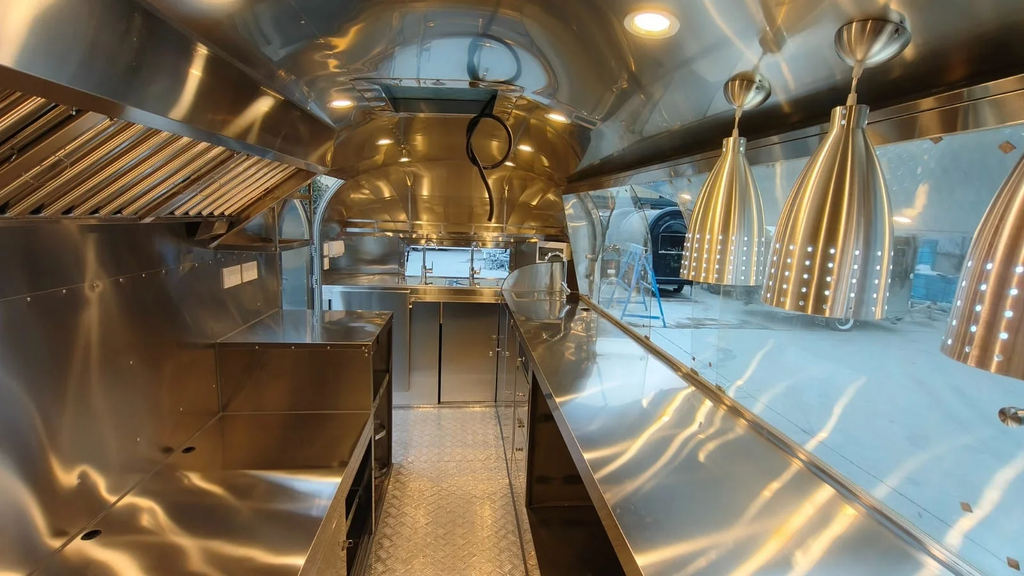
Your food trailer ROI is typically faster than a truck’s because of lower overhead and fewer moving mechanical parts. Because your capital isn’t tied up in the depreciating asset of a vehicle’s drivetrain, you have more liquidity. This liquidity plays an important role during the first two years of operations, when many people realize that they can afford better equipment such as custom stainless steel cabinetry and efficient ventilation by going for trailers as opposed to trucks.
Ready to calculate your potential ROI with a custom build?
Quality Matters: Finding the Best Builder
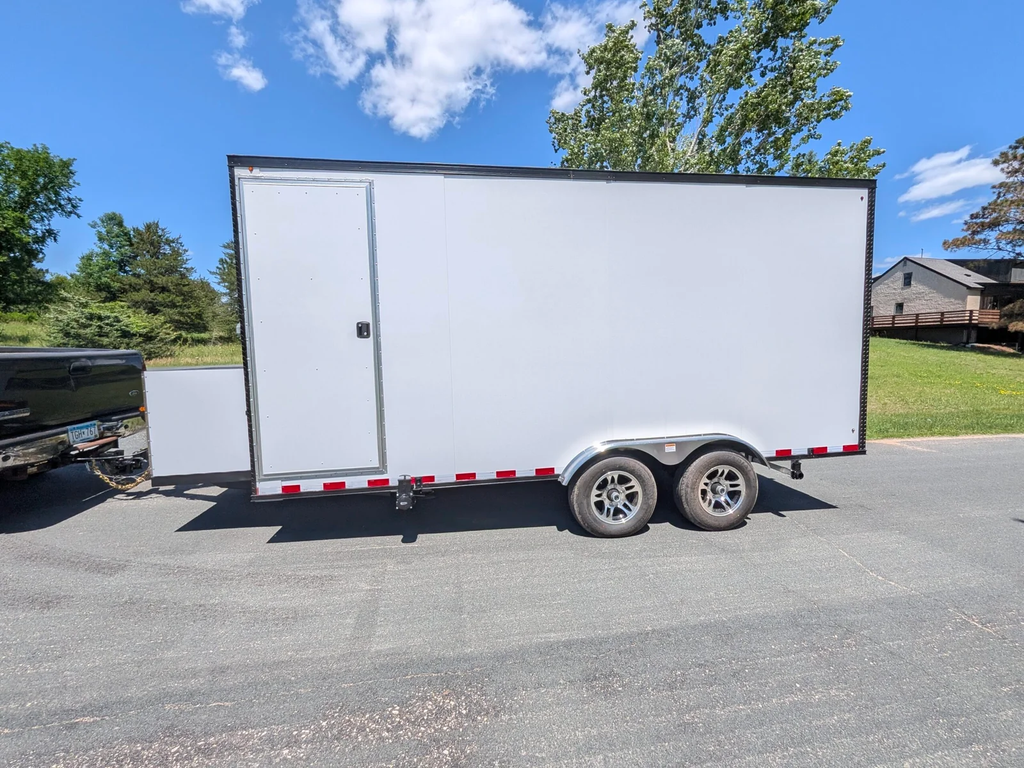
You shouldn’t settle for a mass-produced box that wasn’t built for the intensity of daily food service. Working with the best food trailer manufacturers ensures that your electrical, plumbing, and gas systems are installed by experts who understand the physics of a commercial kitchen. If your trailer isn’t built to code from day one, you will end up spending your hard-earned profit on retrofits and modifications.
The Role of Certification
If you are operating in a competitive urban market, being ready for inspection is your biggest hurdle. That is why investing in NSF certified custom food trailers is a non-negotiable step for many professionals. NSF certification means that every piece of equipment, from your handwashing sink to your prep counters, meets the national standards for sanitation. This removes the “guesswork” for health inspectors. When an inspector walks into an NSF-certified build, they already know the equipment is safe. This can be the difference between getting your permit in a week or waiting for months.
Balancing Mobility and Production
Another factor in the food truck vs food trailer ROI debate is mobility. Do you need to chase crowds throughout the city, or do you plan on establishing “anchor” locations at breweries, farmers’ markets, or corporate parks? A truck is an excellent selection if you are always moving around, but sometimes it is advisable that you get a trailer as the “base of operations.” This is because with the trailer you have somewhere to leave your unit at a high foot traffic area while you move around with your truck.
- Assess Your Target Locations: Do they have parking for a large truck, or is a smaller trailer more versatile?
- Think About Event Duration: Does a trailer allow you to stay at an event for a full weekend while you handle off-site logistics with your tow vehicle?
- Consider the Total Footprint: Trucks often require more space to maneuver and park in tight urban lots.
See how our custom builds can help you scale your business.
Long-Term Growth Strategies
Successful business owners think about their exit strategy. When it comes time to sell your business, a trailer is often easier to offload than a motorized food truck. Why? Since the buyer won’t have to be concerned about the state of the engine, transmission, or emission regulations applicable to a 15-year-old car. The presence of a clean, properly serviced, and regulated trailer makes it one of the most sought-after assets in the secondhand market. By constructing an excellent trailer at present time, you would be creating a kind of retirement pension for yourself for the future when you would decide to open a physical store.
Frequently Asked Questions
Q. Is a food truck investment always more expensive than a trailer?
Generally, yes. Motorized trucks involve complex mechanical maintenance and higher initial purchase costs. Trailers allow you to allocate more budget toward your kitchen equipment, which directly impacts your speed of service and food quality.
Q. How does NSF certification affect my bottom line?
It speeds up your permitting process, which gets you open and making money sooner. It also ensures your equipment is reliable and won’t require frequent, expensive repairs during a busy dinner shift.
Q. What is the typical food trailer ROI timeline?
While every business is different, trailers often see a return on investment within 12–24 months due to lower overhead costs and minimal mechanical maintenance compared to motorized trucks.
Q. Can I move a trailer as easily as a truck?
Yes, provided you have a capable tow vehicle. While it adds a step to your setup process, the trade-off is that you have two separate assets (the trailer and the truck) rather than one combined unit that is useless if the engine breaks.
Q. How do I find the best food trailer manufacturers?
Look for builders who provide transparent floor plans, offer references from existing clients, and demonstrate a deep understanding of local health department codes. Their ability to document their build process is a major green flag.