
Expanding a restaurant doesn’t always mean signing another lease or taking on major overhead. For many operators, the smartest growth strategy is mobility—testing new markets, increasing brand exposure, and adding revenue streams with a custom food trailer.
But mobile kitchen expansion only works if the equipment is reliable and inspections aren’t a constant risk.
If a mobile unit fails a health inspection or loses power during service, the damage isn’t just operational—it destroys your brand reputation and revenue. A mobile unit must be built to the same commercial-grade standards as your brick-and-mortar kitchen.
That’s where compliance matters.
Why RV-Grade Concession Trailers Fail Commercial Inspections
Many concession trailer manufacturers build using residential wiring and plastic RV components. That approach reduces upfront cost but introduces catastrophic long-term risk for commercial food service.
Restaurant expansion demands commercial infrastructure:
- Electrical Reliability: Commercial food trailers require properly sized panels, load balancing, and wiring designed to NEC (National Electrical Code) standards. Without this, breakers trip when HVAC and cooking equipment run simultaneously during a rush.
- Health Inspection Readiness: Inspectors look for air gaps, proper drainage, correct tank sizing, and commercial plumbing practices. Systems designed for recreational use often fail these requirements, leading to “red tags” and lost revenue.
For restaurant operators, national code compliance isn’t optional—it’s operational insurance.
The St. Croix Guarantee: NFPA, NEC, and NATM Compliance
A St. Croix trailer is designed as a commercial kitchen on wheels, not a recreational unit. Every build is engineered around four critical compliance areas:
- Electrical: NEC-compliant wiring and panel design engineered for heavy commercial loads.
- Plumbing: National Plumbing Code practices with properly sized fresh/waste tanks and commercial water heaters.
- Fire & Ventilation: Designed strictly around NFPA 96 (ventilation) and NFPA 58 (LP-Gas) safety standards.
- Structure: 6×2 steel mainframe built to NATM (National Association of Trailer Manufacturers) guidelines.
This approach reduces inspection risk and improves long-term reliability for your mobile business expansion.
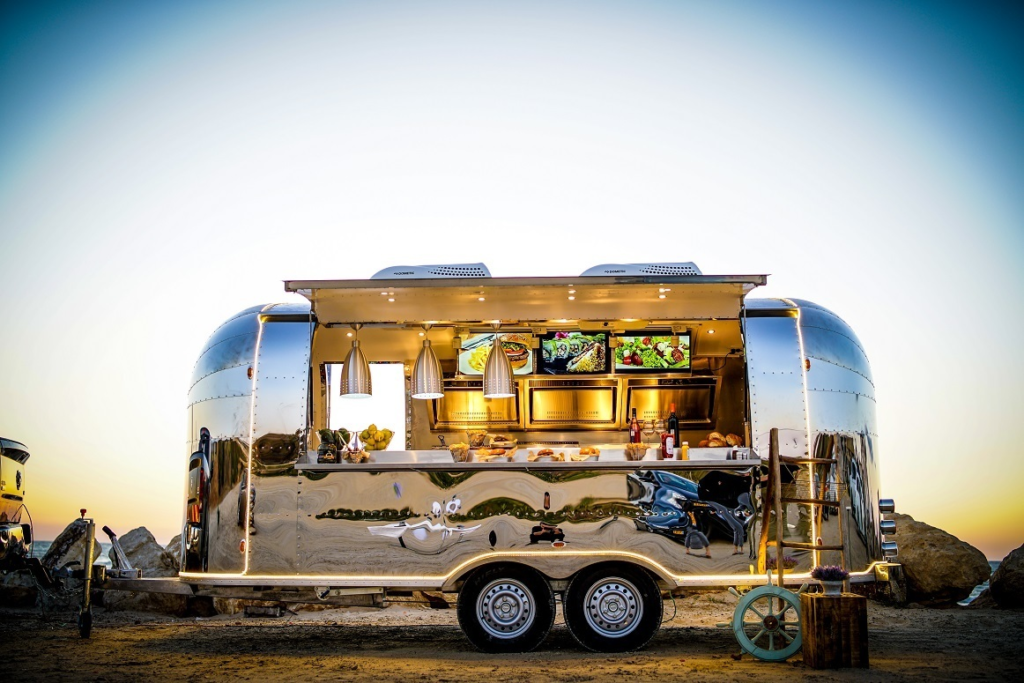
Brand Protection Through 6×2 Mainframe Durability
A mobile kitchen represents your restaurant wherever it goes. Reliability and professionalism matter just as much on the road as they do in your main location.
- Federal Legitimacy: Each trailer includes a verified Manufacturer’s Certificate of Origin (MCO) and is NHTSA compliant, making titling, insuring, and operating straightforward.
- Structural Integrity: The rigid 6×2 steel mainframe protects plumbing, gas lines, and interior systems from vibration damage over time—a common failure point in lighter-built food truck trailers.
Custom Food Trailer Design for High-Volume Workflow
Mobile kitchens must be efficient, not just functional.
Food trailer layouts should be designed around workflow, equipment placement, and service speed—the same principles used in commercial kitchen design.
We engineer the electrical and gas systems around your specific equipment list to prevent performance limitations. The result is a mobile kitchen that operates like a restaurant line, not a concession stand.
Where Mobile Restaurant Expansion Works Best
A properly built, commercial-grade food trailer allows restaurants to confidently operate in high-demand environments, including:
- Festivals and fairs (Strict Fire/Electric Codes)
- Corporate catering
- Weddings and private events
- Seasonal satellite locations
- Market testing in new cities
Reliability is what makes these opportunities profitable.
Build Your Mobile Kitchen Like Your Restaurant
Restaurant owners understand the cost of downtime, failed inspections, and unreliable equipment. A mobile kitchen should be built with the same standards as a commercial facility.
A properly engineered, code-compliant food trailer becomes a long-term business asset—not a temporary solution.
FAQs for Restaurant Owners
Q. Will this trailer pass local health inspections?
A. Yes. Our trailers are built using commercial plumbing practices, proper air gaps, and cleanable surfaces designed to meet Health Department requirements across jurisdictions.
Q. Why does NEC electrical design matter for a food trailer?
A. Commercial kitchen equipment requires balanced loads and correctly sized circuits. NEC compliance prevents outages when fryers, AC, and warmers run simultaneously.
Q. Do your trailers come with an MCO?
A. Yes. As a NATM certified manufacturer, we provide a verified MCO and VIN. This documentation allows the trailer to be titled, insured, and registered properly as a commercial vehicle.
Q. Can my existing restaurant equipment be installed in a trailer?
A. Often yes, provided the equipment is rated for mobile use. We integrate your specific equipment into the electrical and gas systems to ensure safety and compliance.
Q. Why use a 6×2 mainframe instead of standard tubing?
A. A rigid 6×2 steel structure reduces vibration damage to plumbing, gas lines, and interior systems over time, protecting your investment from the structural failure common in “budget” builds.