
If you’re entering the mobile food industry, one reality becomes clear very quickly: the materials used in your build directly impact your business reliability.
Menus, branding, and locations matter—but the structure of your mobile kitchen determines whether you stay operational during busy seasons or end up dealing with cracked welds and failed inspections.
Not all food truck manufacturers build to the same standards. Some prioritize short-term cost savings using residential materials. Others, like St. Croix Trailers, focus on long-term durability through commercial-grade engineering. That difference becomes obvious after the first year of operation on the road.
The 6×2 Mainframe: The Real Foundation of a Mobile Kitchen
A food truck operates in one of the toughest environments possible for a workspace—combining the heat and grease of a commercial kitchen with the hurricane-force winds and vibration of highway travel.
The materials supporting that environment must be designed for dynamic loads.
- The Standard: Many builders use 3×2 or 2×4 tubing. These frames flex under heavy loads, leading to separated walls and gas line failures.
- The St. Croix Standard: We build on a 6×2 steel mainframe. This rigid foundation ensures the kitchen remains stable, square, and safe over decades of travel. Without that foundation, even high-end equipment becomes unreliable.
A Food Truck Is a Commercial Workspace First
Many first-time owners think of a food truck as a vehicle with equipment inside. In reality, it’s a high-output commercial kitchen mounted to a moving structure.
When browsing business trailers for sale, ensure the materials are rated to withstand:
- Heavy Equipment Loads: Fryers and griddles weigh hundreds of pounds.
- Constant Vibration: Road travel shakes every nut, bolt, and pipe.
- Thermal Shock: Going from -20°F in storage to 100°F during service.
Lower-grade materials (like wood framing or residential insulation) look fine on day one but degrade quickly under these real-world operating conditions.
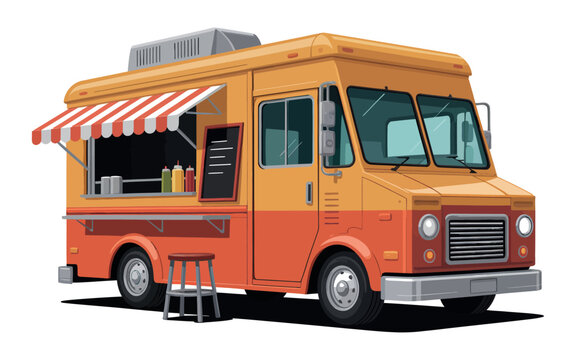
Health Departments Expect Commercial Materials
Health inspectors look beyond appearance. They evaluate whether surfaces are compliant with National Health and Plumbing Codes.
- Non-Porous & Cleanable: We utilize stainless steel and aluminum interiors because they meet sanitation standards consistently.
- Moisture-Resistant: Unlike untreated wood or thin paneling found in cheaper builds, commercial materials don’t absorb grease or harbor bacteria.
Using the right materials is one of the biggest differences between professional food truck manufacturers and hobby-level builders. It’s the difference between passing inspection on the first try or getting red-tagged.
Weather Exposure Is Constant
Unlike a restaurant kitchen, a mobile kitchen lives outdoors. Sun, rain, snow, freezing temperatures, and humidity all attack the structure.
High-quality exterior materials and commercial-grade insulation prevent:
- Rust and Corrosion: Protecting the structural integrity of the frame.
- Panel Warping: Keeping the exterior smooth for your wrap branding.
- Condensation Damage: Preventing the “sweat” that shorts out electrical systems.
Durability here directly affects your operating cost. A well-insulated trailer keeps your staff cool and your refrigeration efficient, lowering your fuel and generator costs.
Safety Depends on Structural Materials
Mobile kitchens contain fryers, propane systems, and high-voltage electrical panels—all bouncing down the highway at 60 MPH.
Safety isn’t a feature; it’s a requirement dictated by NATM (National Association of Trailer Manufacturers) guidelines.
- Rigid Framing: Prevents gas lines from cracking due to flex.
- Reinforced Flooring: Prevents heavy equipment from shifting during transport.
- Secure Mounting: Ensures fire suppression systems stay aligned.
The Long-Term Cost Advantage of Quality Builds
Lower-cost builds often become expensive over time due to repairs, downtime, and premature equipment wear. This is why experienced operators searching for business trailers for sale prioritize build quality (TCO) over the initial sticker price.
Reliability protects revenue. A trailer that is in the shop for frame repairs is a trailer that isn’t selling food.
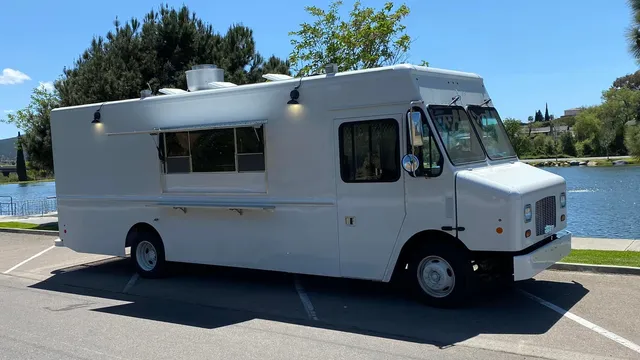
Why St. Croix Trailers Focuses on Materials First
At St. Croix Trailers, builds start with structure and materials—not cosmetic features. We are a ground-up manufacturer, meaning we don’t convert pre-existing cargo shells.
The St. Croix Material Standard:
- Heavy-Duty 6×2 Steel Framing (Minimum)
- Stainless or Aluminum Commercial Interiors
- Code-Compliant Electrical & Plumbing Components
- Reinforced Equipment Mounting
The goal is simple: build trailers that last for years of daily use, not just a single season. Among the best food truck manufacturers, material quality is the clearest indicator of long-term performance.
Conclusion
Quality materials are the backbone of a reliable mobile kitchen. They determine whether your trailer remains a dependable business asset or becomes a recurring repair expense.
If you’re comparing business trailers for sale, look beyond appearance. Ask about the frame size, the insulation rating, and the interior material specs. A strong build supports your business long after launch day.
FAQs
Q. Why do materials matter in food truck construction?
A. Materials determine durability, safety, and inspection readiness. A 6×2 steel frame and commercial interiors ensure the trailer survives the vibration of the road and the scrutiny of health inspectors.
Q. What materials are best for food truck interiors?
A. Stainless steel and aluminum are the industry standards because they are durable, non-porous, and heat-resistant, meeting NFPA 96 and Health Department codes.
Q. How does weather impact food trailers?
A. Temperature changes and moisture can warp wood and corrode cheap steel. We use commercial insulation and weather-resistant skins to protect the structural integrity of the build.
Q. Do cheaper trailers cost more long term?
A. Yes. “Budget” trailers often suffer from frame flex and electrical failures, leading to costly downtime and repairs that far exceed the initial savings.
Q. What should I look for in food truck manufacturers?
A. Look for a NATM-certified manufacturer who builds from the ground up using a heavy-duty frame (like a 6×2) rather than converting a light-duty cargo shell.